Traditional Christmas Color Patterns: A Timeless Design Choice
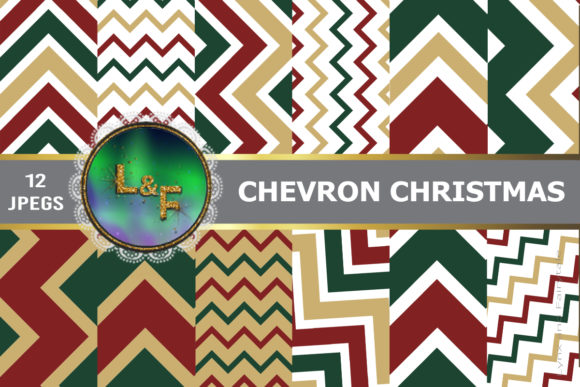
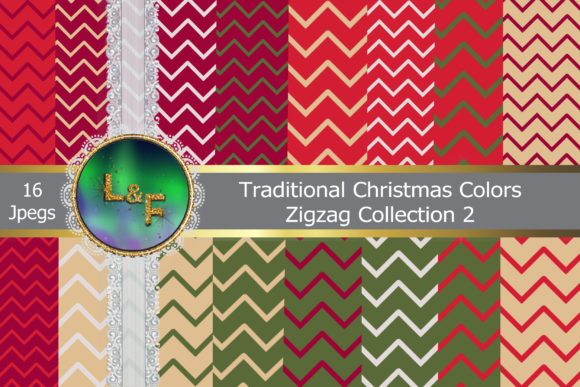
The concept of Traditional Christmas Color Patterns is rooted in the rich history and cultural significance of holiday celebrations. These patterns typically feature a classic color palette that has been used for generations to evoke the spirit of Christmas. The most common colors associated with these designs are red, green, gold, and white—each symbolizing different aspects of the holiday season.
Red often represents joy, warmth, and the festive atmosphere of Christmas. Green is linked to the evergreen trees and the natural world, symbolizing life and renewal. Gold adds a touch of luxury and elegance, while white signifies purity and peace. Together, these colors create a visually appealing and emotionally resonant design that appeals to both traditionalists and modern designers alike.
What Makes Traditional Christmas Color Patterns Unique?
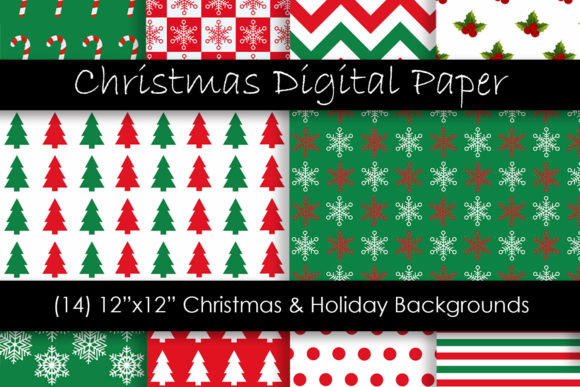
One of the defining characteristics of Traditional Christmas Color Patterns is their adherence to historical and cultural norms. Unlike contemporary or abstract designs, these patterns are grounded in well-established visual traditions. They often incorporate elements such as snowflakes, stars, bells, and holly, which are universally recognized symbols of the holiday season.
Another key aspect is the consistency of the color scheme. While there may be variations in the specific motifs or layouts, the core color palette remains largely unchanged. This consistency helps maintain a cohesive aesthetic that is instantly recognizable and comforting to many people.
Additionally, Traditional Christmas Color Patterns are often designed with versatility in mind. Whether used for decorative purposes or as part of a larger project, these patterns can be adapted to suit a wide range of applications without losing their inherent charm.
Comparing Traditional Christmas Color Patterns with Modern Alternatives
While Traditional Christmas Color Patterns have a strong appeal, they are not the only option available to designers and creators. In recent years, there has been a rise in more modern and eclectic Christmas design styles that incorporate bold colors, geometric shapes, and unconventional themes.
For instance, some contemporary designs might use neon hues or digital art techniques to create a futuristic look. Others may blend traditional elements with pop culture references or minimalist aesthetics. These alternatives offer fresh perspectives and can be particularly appealing to younger audiences or those looking for something unique.
However, the choice between Traditional Christmas Color Patterns and modern alternatives depends on the intended use and audience. If the goal is to evoke nostalgia or connect with older generations, the traditional approach may be more effective. On the other hand, if the objective is to stand out or attract a broader demographic, a modern twist could be beneficial.
Practical Applications of Traditional Christmas Color Patterns
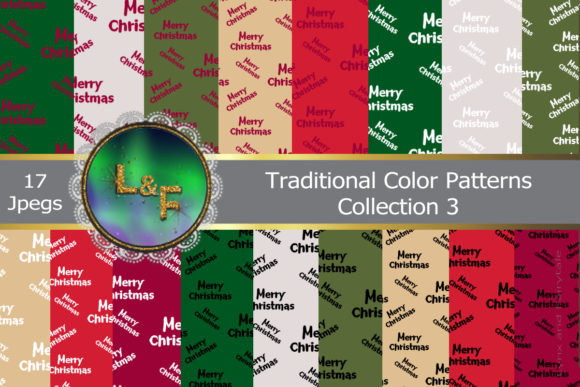
Traditional Christmas Color Patterns are highly versatile and can be applied across various creative projects. One popular use is in the creation of seamless patterns, which are ideal for printing on fabric, paper, or digital media. These patterns can be scaled up or down without losing quality, making them suitable for a wide range of applications.
For example, a 12 x 12 inch seamless pattern at 3600 x 3600 pixels with a resolution of 300 DPI is perfect for crafting invitations, scrapbooking materials, stickers, party decorations, labels, personal apparel, and accessories. The high-resolution format ensures that the details remain sharp and clear, even when printed at larger sizes.
These patterns are also useful for educational purposes. Teachers and educators can incorporate Traditional Christmas Color Patterns into lesson plans to teach children about color theory, design principles, and holiday traditions. The simplicity and familiarity of these patterns make them an excellent tool for engaging students in creative learning activities.
Decision Factors: When to Choose Traditional Christmas Color Patterns
When deciding whether to use Traditional Christmas Color Patterns, it’s important to consider several factors. First, think about the purpose of the design. If the goal is to create a sense of tradition and familiarity, then these patterns are an excellent choice.
Second, evaluate the target audience. Traditional designs may resonate more with older generations or those who value heritage and history. Conversely, if the audience includes younger individuals or those who prefer a more modern aesthetic, alternative options may be more appropriate.
Third, consider the context in which the design will be used. For formal or institutional settings, such as school projects or community events, Traditional Christmas Color Patterns can provide a sense of authenticity and professionalism. In contrast, informal or commercial uses might benefit from more innovative or eye-catching designs.
Finally, assess the availability of resources. High-quality Traditional Christmas Color Patterns in formats like JPEG, with dimensions of 12 x 12 inches and a resolution of 300 DPI, are widely accessible and compatible with most design software. This makes them a practical choice for both amateur and professional creators.
Limitations and Tradeoffs
While Traditional Christmas Color Patterns have many advantages, they also come with certain limitations. One potential drawback is their lack of innovation. Some users may find these patterns predictable or outdated, especially in an era where design trends are constantly evolving.
Additionally, the reliance on a fixed color palette can limit creative flexibility. Designers who want to experiment with new ideas or incorporate unconventional elements may need to look beyond traditional options. However, this limitation can be mitigated by combining traditional patterns with modern techniques or adding personalized touches.
Another consideration is the cost. High-quality Traditional Christmas Color Patterns that meet specific technical requirements, such as 300 DPI resolution and seamless tiling, may be more expensive than simpler or lower-resolution alternatives. It’s important to weigh the investment against the intended use and desired outcome.
Making an Informed Decision
Ultimately, the decision to use Traditional Christmas Color Patterns should be based on a careful evaluation of the project’s goals, audience, and context. These patterns are particularly well-suited for projects that emphasize tradition, nostalgia, and cultural significance.
If you’re looking for a reliable and timeless design solution that maintains its appeal across different applications, Traditional Christmas Color Patterns are a solid choice. However, if you require more creativity, customization, or modern aesthetics, exploring alternative options may be necessary.
By understanding the strengths and limitations of Traditional Christmas Color Patterns, you can make a more informed decision that aligns with your creative vision and practical needs. Whether you choose to stick with the traditional or explore new directions, the key is to ensure that your design effectively communicates the intended message and meets the expectations of your audience.