Islamic Patterns Background: A Timeless Design Element for Modern Use
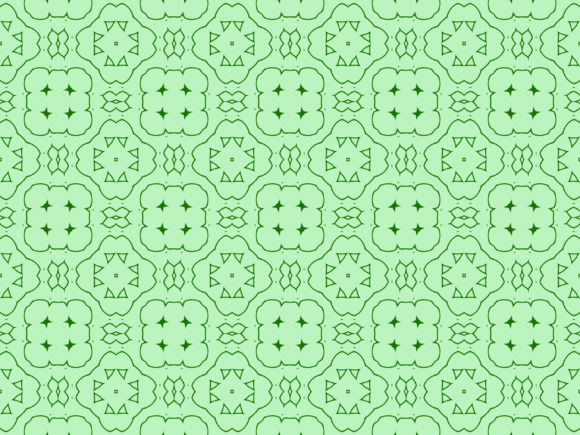
Islamic patterns have long been a symbol of cultural and artistic expression, rooted in the rich traditions of Islamic art and architecture. These intricate designs are not merely decorative; they carry deep symbolic meaning and historical significance. Today, the concept of an Islamic Patterns Background has found new life in digital design, offering a versatile and visually striking option for backgrounds, wallpapers, and graphic elements. Whether used in professional settings or personal projects, this design style offers both aesthetic appeal and functional value.
The Origins and Significance of Islamic Patterns
Islamic patterns are derived from the principles of geometry, symmetry, and repetition, often inspired by natural forms such as flowers, stars, and geometric shapes. These patterns are commonly found in mosques, palaces, and manuscripts, reflecting the Islamic emphasis on order, harmony, and the infinite nature of creation. The use of intricate designs is not only an artistic choice but also a way to express spiritual and philosophical ideas without direct representation of living beings, which is a key principle in Islamic art.
Historically, these patterns were created using techniques like tilework, calligraphy, and arabesque motifs. In modern times, the Islamic Patterns Background has evolved into a digital format, making it accessible for a wide range of applications. This transition allows designers, creators, and users to incorporate these timeless designs into their work with ease.
Practical Applications of Islamic Patterns Background
The Islamic Patterns Background is more than just a visual element—it serves as a powerful tool that can be integrated into various workflows and creative processes. Here are some common use cases:
- Background Design Art: Used in web design, app interfaces, and digital presentations to create a visually engaging and culturally resonant backdrop.
- Geometric Wallpaper: Ideal for home decor, office spaces, or virtual environments where a unique and elegant aesthetic is desired.
- Ornament for Ramadan Kareem and Eid Mubarak Cards: Offers a meaningful and festive touch to greeting cards and promotional materials during Islamic holidays.
- Creative Projects: Serves as a source of inspiration for artists, illustrators, and designers working on themed content or branding.
- Business and Marketing: Can be used in branding materials, social media graphics, and packaging to convey sophistication and cultural depth.
By incorporating the Islamic Patterns Background, users can add a layer of cultural richness and visual complexity to their projects, enhancing both the aesthetic and the message conveyed.
Choosing the Right Format: JPEG vs. Vector
When selecting an Islamic Patterns Background, it’s important to consider the format. While vector formats offer scalability and editability, the Islamic Patterns Background is available in JPEG file format. This makes it particularly suitable for use in digital backgrounds, images, and print media where resolution and clarity are crucial.
JPEG files are ideal for high-quality images that will be displayed at a fixed size. They maintain clarity and color fidelity, ensuring that the intricate details of the pattern remain visible. For those who need flexibility in resizing or editing, vector formats may be preferable, but the JPEG version provides a straightforward and reliable option for most applications.
Integrating Islamic Patterns Background into Your Workflow
Whether you're a designer, marketer, educator, or hobbyist, integrating the Islamic Patterns Background into your workflow requires careful planning and consideration. Here are some practical tips for seamless integration:
- Assess Compatibility: Ensure that the background is compatible with your project's platform, whether it's a website, mobile app, or printed material.
- Consider Resolution: Always use high-resolution JPEG files to maintain image quality, especially when scaling up for larger displays or prints.
- Use as a Base Layer: Apply the background as a base layer in design software to build upon with text, icons, or other graphical elements.
- Test Across Devices: Verify that the background appears consistently across different devices and screen sizes.
- Pair with Relevant Content: Use the background to complement the theme or message of your project, ensuring that the design supports rather than distracts from the main content.
By following these steps, you can ensure that the Islamic Patterns Background enhances your project without overwhelming it.
Enhancing Creativity and Consistency
The Islamic Patterns Background can serve as a catalyst for creativity, providing a consistent and inspiring visual foundation for various tasks. When working on multiple projects or designing for different platforms, using the same background can help maintain a cohesive brand identity or thematic consistency.
For example, if you're creating a series of marketing materials for a cultural event, using the same Islamic Patterns Background across all visuals can reinforce brand recognition and create a unified look. Similarly, educators and content creators can use the background to enhance learning environments or educational resources, adding a touch of elegance and cultural relevance.
Consistency in design also plays a role in user experience. A well-chosen background can improve readability, reduce visual clutter, and make content more engaging. By carefully selecting and applying the Islamic Patterns Background, you can contribute to a more polished and professional appearance in your work.
Conclusion
The Islamic Patterns Background is a versatile and meaningful design element that bridges tradition and modernity. Whether used in digital design, branding, or personal projects, it offers a unique blend of aesthetics and symbolism. By understanding its origins, applications, and practical implementation, users can integrate this design seamlessly into their workflows, enhancing both the visual and conceptual aspects of their work.