Understanding Simple Geometric Patterns: A Beginner’s Guide
Simple geometric patterns are fundamental elements that appear in art, design, architecture, and even nature. These patterns consist of basic shapes like circles, squares, triangles, and lines arranged in a repetitive or symmetrical manner. Whether you're an artist, a designer, or simply curious about the world around you, understanding these patterns can enhance your appreciation for visual aesthetics and their practical applications.
What Are Simple Geometric Patterns?
A geometric pattern is a design made up of repeating shapes or forms. When we refer to simple geometric patterns, we mean those that use only basic shapes and minimal complexity. These patterns can be found in everything from traditional textiles to modern graphic design.
Examples of simple geometric patterns include:
- Checkerboard: Alternating black and white squares.
- Stripes: Parallel lines in the same direction.
- Diagonal Lines: Lines slanting at an angle.
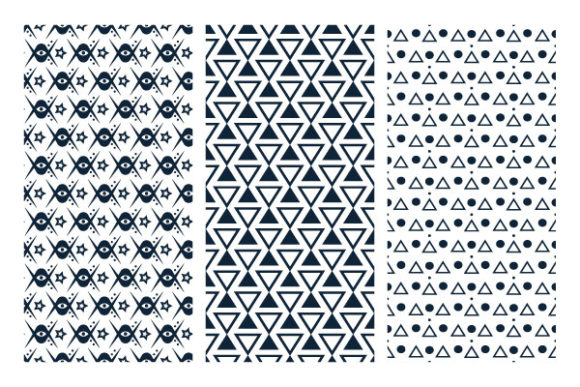
- Triangles: Repeating triangular shapes in different orientations.
- Circles: Concentric or overlapping circles.
The Significance of Simple Geometric Patterns
Geometric patterns have been used for thousands of years across cultures and civilizations. They are not only visually appealing but also serve functional purposes. In architecture, for example, geometric patterns help create balance and symmetry, which can make spaces more inviting and harmonious.
In design, geometric patterns are often used to convey specific messages or emotions. For instance, a pattern with sharp angles might suggest energy and movement, while rounded shapes may evoke feelings of comfort and safety.
Why Are They Used in Modern Design?
Today, geometric patterns continue to play a vital role in various fields. In graphic design, they are used to create logos, branding elements, and digital interfaces. In web development, they can be used to add visual interest without overwhelming the user.
Moreover, simple geometric patterns are ideal for beginners who want to explore design principles. They provide a clear structure to work with and allow for easy experimentation with color, scale, and arrangement.
How to Create Simple Geometric Patterns
Creating geometric patterns doesn’t require advanced skills. Here’s a step-by-step guide to get started:
- Choose Your Shapes: Start with one or two basic shapes like squares, circles, or triangles.
- Determine the Pattern Type: Decide if you want a repeating pattern, a symmetrical pattern, or a random arrangement.
- Sketch or Use Software: You can sketch by hand or use design software like Adobe Illustrator, Canva, or even free tools like Inkscape.
- Experiment with Color and Scale: Play with colors and sizes to create different effects and moods.
- Refine and Repeat: Adjust the layout as needed and repeat the pattern to see how it looks in different contexts.
Tips for Creating Effective Patterns
- Keep It Simple: Avoid overcomplicating the design. Simplicity often leads to greater impact.
- Use Consistency: Maintain uniformity in shape size, spacing, and alignment for a cohesive look.
- Test in Different Sizes: Ensure the pattern works well when scaled up or down.
- Consider the Purpose: Think about where the pattern will be used—this will influence its style and complexity.
Where to Find and Download Simple Geometric Patterns
If you’re looking for ready-made geometric patterns, there are several free and paid resources available online. These can be useful for personal projects, educational materials, or commercial use.
Popular Sources for Downloading Geometric Patterns
- Free Resources: Websites like FreePik and Pexels offer high-quality geometric patterns under creative commons licenses.
- Paid Resources: Platforms like Shutterstock and iStockPhoto provide professionally designed patterns for commercial use.
- Design Software: Many design programs, such as Adobe Illustrator and Sketch, come with built-in pattern libraries that you can customize.
Important Considerations When Downloading Patterns
- License Agreement: Always check the license terms before using a downloaded pattern. Some patterns may require attribution or restrict commercial use.
- Resolution and Format: Ensure the pattern is in the correct resolution and format (e.g., PNG, SVG) for your intended use.
- Customization: Don’t hesitate to modify the pattern to suit your project’s needs. Customizing can help you avoid copyright issues and ensure uniqueness.
The Role of Geometric Patterns in Education and Creativity
Geometric patterns are not only aesthetically pleasing but also valuable in education. They can be used to teach children about shapes, symmetry, and spatial reasoning. In art and design education, they serve as a foundation for more complex designs and compositions.
For creatives, geometric patterns offer endless possibilities for innovation. They can be combined with other design elements to create unique visuals that reflect personal or brand identity. Whether you're working on a logo, a website, or a piece of art, geometric patterns can add depth and interest to your work.
Common Misconceptions About Geometric Patterns
There are several common misconceptions about geometric patterns that can prevent people from exploring them further:
- Myth 1: They Are Boring: While some patterns may seem simple, they can be incredibly versatile and dynamic when used creatively.
- Myth 2: They Are Only for Professionals: Anyone can create geometric patterns with basic tools and practice.
- Myth 3: They Lack Personality: With the right combination of colors and arrangements, geometric patterns can be highly expressive and unique.
Conclusion
Simple geometric patterns are a powerful tool for designers, artists, and everyday creators. They offer a structured yet flexible way to explore visual design and can be adapted to suit a wide range of applications. Whether you're downloading pre-made patterns or creating your own, understanding the basics of geometric design can open up new opportunities for creativity and expression.
By embracing the simplicity and versatility of geometric patterns, you can enhance your projects, improve your design skills, and develop a deeper appreciation for the beauty of repetition and symmetry in the world around us.