Flower Patterns for Creative Design
Flower patterns are more than just decorative elements—they’re a powerful tool for visual storytelling and design versatility. Whether you're creating a book cover, wallpaper, poster, or branding material, the right flower pattern can elevate your project with elegance, style, and emotional resonance. This article explores 10 beautiful and eye-catching flower arrangement designs that incorporate Flower Patterns, offering insights into how different audiences can benefit from using these versatile graphics.
What Are Flower Patterns?
Flower patterns are recurring motifs made up of floral shapes, often arranged in symmetrical or organic formations. These patterns can be simple or complex, depending on the design intent. They are commonly used in graphic design, interior decoration, fashion, and digital media to add a touch of natural beauty and sophistication.
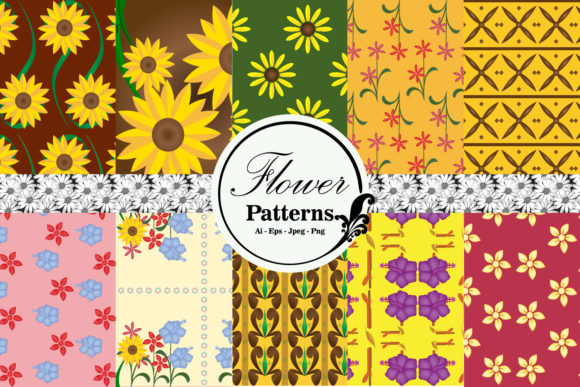
Flower Patterns is a collection of high-quality, customizable floral designs available in multiple formats such as AI, EPS, JPEG, and PNG. These files are optimized for both personal and commercial use, making them ideal for creators looking to expand their design toolkit.
Why Different Audiences Care About Flower Patterns
For designers, Flower Patterns offer a reliable source of inspiration and reusable assets. For educators, they provide an engaging way to teach design principles through real-world examples. Entrepreneurs and small business owners may use them to create branded materials that stand out in a competitive market. Hobbyists and consumers appreciate the aesthetic value and the ease of integrating these patterns into their daily lives.
Beginners: A Gateway to Creativity
Beginners often seek simplicity and guidance when starting out in design. Flower Patterns are perfect for this group because they come in easy-to-use formats like PNG and JPEG, which require no specialized software to open or edit. These patterns can be applied directly to backgrounds, logos, or social media posts without needing advanced technical skills.
For example, a beginner blogger might use a simple daisy pattern as a background for a blog post to make it visually appealing without spending time on complex design work.
Professionals: Precision and Flexibility
Professionals, on the other hand, prioritize quality, flexibility, and scalability. The availability of AI and EPS files allows for precise editing and scaling without loss of resolution. These formats are ideal for creating high-end print materials, such as book covers or posters, where detail and clarity are crucial.
A professional designer working on a luxury brand’s packaging might use a peony pattern in vector format to ensure it looks flawless at any size or scale.
Creators and Entrepreneurs: Branding and Marketing
Creators and entrepreneurs rely on consistent and adaptable visuals to build their brand identity. Flower Patterns provide a versatile solution for creating cohesive marketing materials, social media content, and product packaging. The ability to customize these patterns means they can align with a brand’s color scheme, style, and message.
A boutique owner could use a rose pattern in various colors to create a series of product tags, ensuring a unified look across all items.
Educators and Hobbyists: Learning and Enjoyment
For educators and hobbyists, Flower Patterns serve as both educational tools and creative outlets. Teachers might use these patterns to demonstrate symmetry, color theory, and design composition in classroom settings. Hobbyists can experiment with different arrangements and combinations to develop their artistic skills.
A craft enthusiast might use a sunflower pattern to create a handmade greeting card, combining creativity with practicality.
1. Classic Floral Arrangement
This design features a traditional bouquet of roses, lilies, and violets arranged in a circular pattern. It’s timeless and elegant, making it ideal for wedding invitations, stationery, or vintage-themed projects.
2. Minimalist Bloom
Simple yet striking, this pattern uses single flowers with clean lines and soft gradients. It’s perfect for modern designs, such as tech-related branding or minimalist posters.
3. Watercolor Flowers
With its soft, blended hues and gentle textures, this pattern adds a dreamy and artistic feel. It works well for creative writing covers, art portfolios, or calming home decor.
4. Botanical Illustration
This detailed and intricate design showcases individual flowers with fine linework and shading. It’s great for educational materials, scientific illustrations, or high-end print projects.
5. Abstract Blooms
Using geometric shapes and vibrant colors, this design offers a contemporary twist on floral aesthetics. It’s suitable for fashion branding, digital art, or abstract posters.
6. Mixed Media Flowers
Combining different textures and materials, such as metallic accents and fabric-like elements, this pattern adds depth and dimension. It’s ideal for luxury branding, packaging, or wall art.
7. Vintage Garden
Featuring a mix of old-world flowers like peonies, dahlias, and marigolds, this pattern evokes nostalgia and charm. It’s perfect for retro-themed designs, vintage posters, or artisanal products.
8. Tropical Bloom
With bold colors and exotic flowers like orchids and hibiscus, this pattern brings a sense of warmth and energy. It’s great for travel-related branding, summer campaigns, or tropical-inspired designs.
9. Seasonal Flowers
Each design in this collection represents a different season—spring tulips, summer sunflowers, autumn chrysanthemums, and winter snowdrops. It’s useful for seasonal marketing, event planning, or calendar designs.
10. Customizable Bloom
This pattern allows users to mix and match different flowers, colors, and layouts. It’s highly flexible and ideal for personalized projects, such as custom gifts, DIY crafts, or bespoke branding.
Choosing the Right Format for Your Needs
The choice of file format depends on your specific needs. JPEG and PNG are best for web use and quick edits, while AI and EPS are preferred for professional printing and scalable design work. Understanding these differences ensures you get the most out of your Flower Patterns.
Conclusion
Flower Patterns offer something for everyone, whether you're a beginner exploring design basics or a professional seeking high-quality assets. By understanding your goals and priorities, you can choose the right pattern and format to enhance your projects effectively. With the right tools and creativity, you can transform simple designs into stunning visuals that captivate and inspire.